Prefer using email? Write us at hello@moveshelf.com
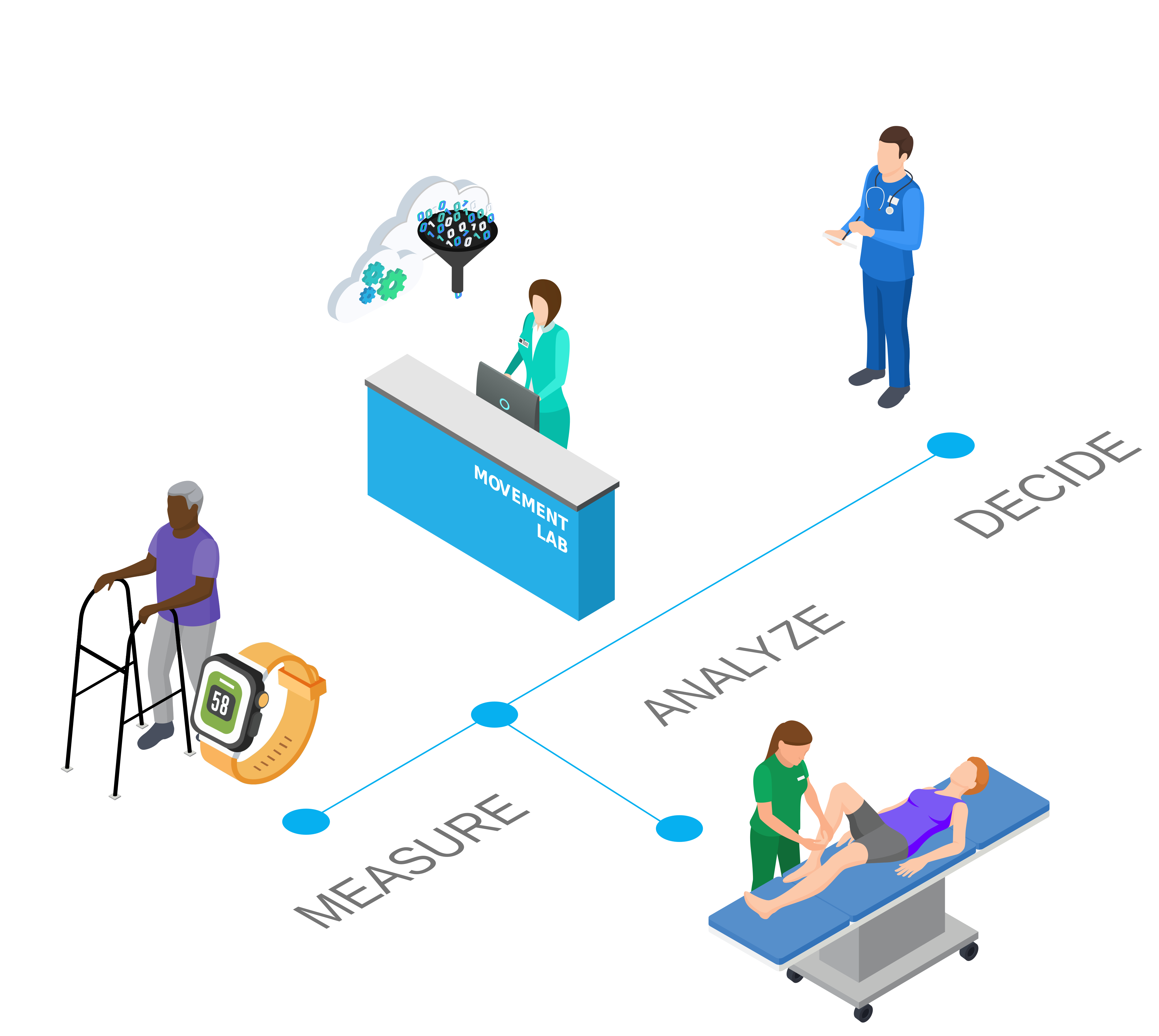
Treatment and rehabilitation happen in the clinic. Recovery and deterioration happen at home. Moveshelf Everyday extends the Moveshelf Information System beyond the hospital, giving clinicians continuous insight between appointments through movement data, guided video assessments, and patient-reported outcomes — all within a single connected workflow.
Looking for our market leading infrastructure for movement analysis? See the Moveshelf Information System.










Moveshelf Everyday supports a range of patient populations.
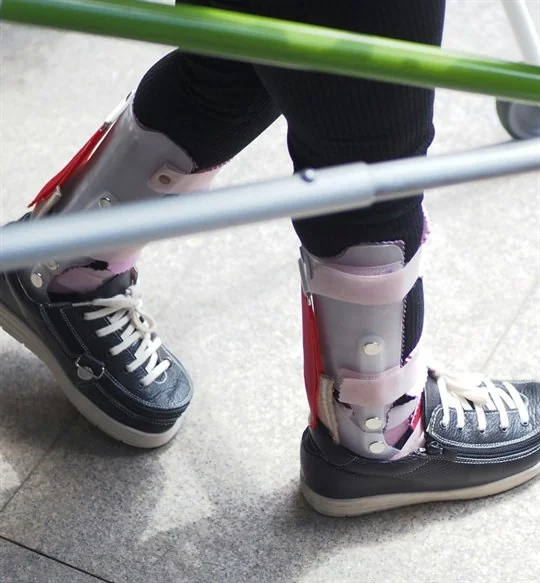
Although the brain lesion in cerebral palsy is non-progressive, mobility and functional ability can change over time. Moveshelf Everyday helps clinicians monitor patients between routine follow-ups, providing continuous insight into movement, functional performance, and patient-reported outcomes to support timely intervention.
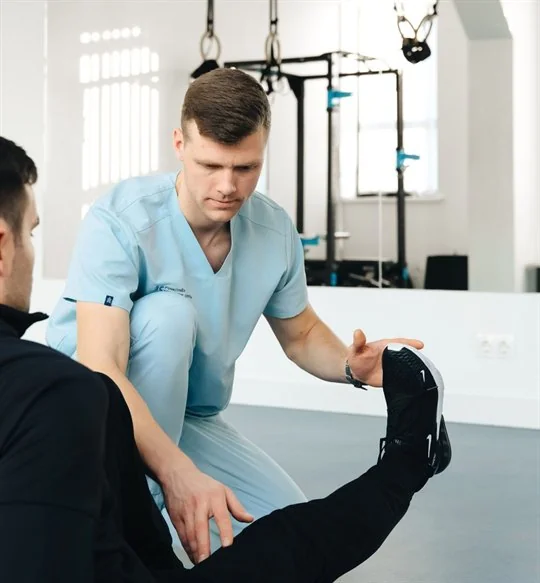
Recovery following stroke does not just happen in the clinic. Moveshelf Everyday enables clinicians to follow patient progress through remote monitoring, with early detection of complications and timely interventions to support recovery.
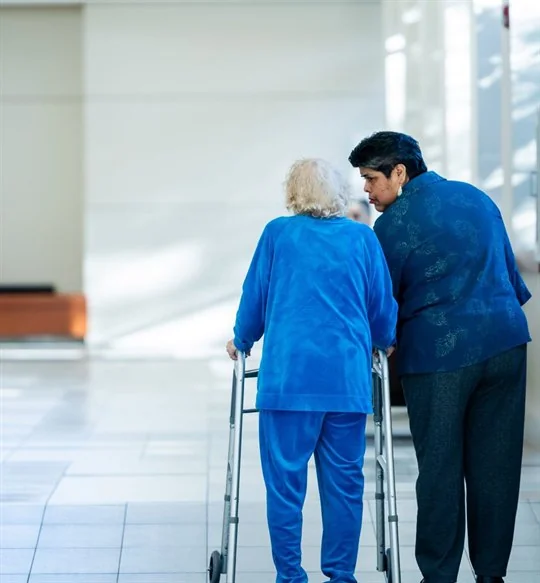
Following joint replacement surgery, rehabilitation continues long after patients leave the hospital. Moveshelf Everyday supports remote monitoring throughout recovery, helping clinicians understand mobility, range of motion, and patient-reported outcomes between follow-up appointments.
Moveshelf Everyday combines three complementary sources of information to give clinicians continuous insight between appointments and support better outcomes.
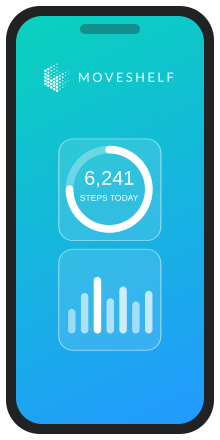
Understand real-life activity levels and gait quality through continuous movement data captured by smartphones, including step count, walking speed, and cadence.
For patient populations requiring greater measurement accuracy, Moveshelf Everyday also supports compatible wearable devices, such as Apple Watch and Garmin smartwatches for osteoarthritis, and Xsens DOT or StepWatch for cerebral palsy and stroke.
Benefits
Enable patients and caregivers to securely capture videos of real-life movement at home, providing clinicians with additional visual context between appointments.
Benefits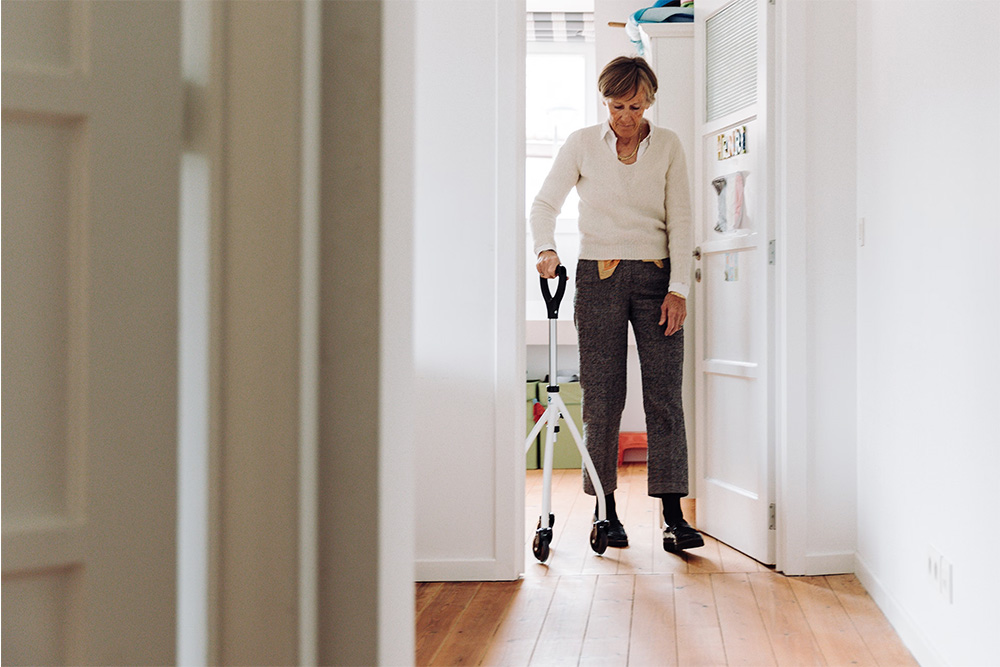
Collect patient-reported outcome measures (PROMs) remotely using configurable questionnaires to better understand symptoms, function, and quality of life throughout the recovery journey.
Benefits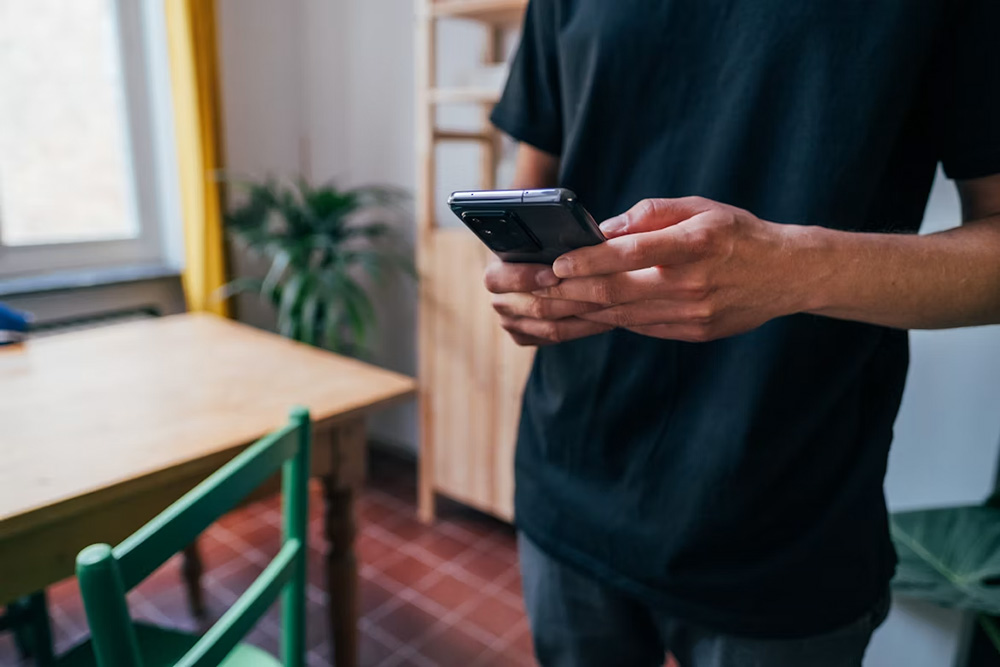
Moveshelf Everyday has been developed in close collaboration with many partners and projects, see Acknowledgements for more information.